Best Things to Do in Marrakech 2026 — Complete Guide
Marrakech hits differently than most cities — the medina walls, the desert heat, the call to prayer at dawn. This is every activity worth your time, from Jemaa el-Fna to the Atlas Mountains.
Marrakech is a city built for exploring. The medina — a UNESCO World Heritage Site — hides palaces, souks, hammams and rooftop bars inside its 19km of ancient walls. Outside the walls, the Atlas Mountains rise to 4,000m an hour south, the Agafay stone desert stretches west, and the Palmeraie palm groves glow at sunrise under a hot air balloon. You need 3–4 days minimum, and you will fill every one of them.
This guide covers 21 things to do in Marrakech — from iconic monuments to hidden local experiences. Every price, every distance and every timing tip comes from visits in 2026. Budget 300–1,500 MAD per day (€30–150) depending on how deep you want to go.
Book Marrakech Experiences
The highest-rated Marrakech activities — all include hotel pickup and sell out days ahead in peak season.
Hot Air Balloon at Sunrise
4–5 hours · From $106
Sunrise flight over the Palmeraie with Berber breakfast and certificate.
Book NowAtlas Mountains Day Trip
7–8 hours · From $93
3 valleys, Berber villages, waterfalls and traditional lunch included.
Book NowAgafay Desert Quad + Camel + Dinner
6–7 hours · From $35
Quad biking, camel ride and Berber dinner show at sunset.
Book NowMoroccan Cooking Class + Market Tour
3–4 hours · From $44
Souk shopping for ingredients then cook 3 Moroccan dishes with a local chef.
Book NowWe earn a small commission when you book through our links — at no extra cost to you. This supports CityTaste.
Jemaa el-Fna — The Heart of Marrakech
Jemaa el-Fnais one of the great public spaces of the world. By day it's a market of fresh orange juice stalls (4–5 MAD a glass), henna artists, snake charmers and acrobats. As the sun sets, it transforms entirely — around 100 numbered food stalls materialise from nowhere, smoke fills the air, and the square becomes an open-air festival of grilled merguez, lamb brochettes, harira soup and sheep's head.
A full dinner at the stalls costs 40–80 MAD (€4–8) per person. Stalls 14–20 are consistently recommended by locals for their kefta. Come at 8pm when the grills are hottest. Read our street food Marrakech guide for the full breakdown of what to eat and where.
The Souks — Shopping in the Medina
Marrakech's souks are the largest traditional market in Morocco — a labyrinth of narrow covered lanes where each alley specialises in a different craft. Souk Semmarine is the main artery: textiles, slippers and lanterns. Souk des Teinturiers is where dyers hang skeins of coloured wool from the walls. Souk Haddadine rings with the sound of metalworkers hammering iron lanterns.
The best time for souk shopping is morning (9–11am) before the heat and crowds peak. Haggle to 50–60% of the first price offered — it's expected and part of the experience. The spice stalls at Rahba Lakdima are genuine; the "saffron" at tourist stalls near Jemaa el-Fna is usually safflower.
Gardens & Palaces
Jardin Majorelle
Created by Jacques Majorelle in 1924 and rescued by Yves Saint Laurent in 1980, the garden is a riot of cobalt blue, bougainvillea and towering bamboo. The Berber Museum inside is excellent. Entry: 70 MAD garden + 30 MAD museum. Go at 9am opening to avoid crowds — by 11am the paths are shoulder-to-shoulder.
70–150 MADBahia Palace
An 8,000 m² 19th-century palace with gardens, courtyards and some of the most intricate zellige tilework and carved cedar ceilings in Morocco. It's one of the most photographed sites in Marrakech. Entry: 70 MAD. Visit before noon — the morning light through the courtyard windows is the best.
70 MADSaadian Tombs
Hidden for centuries behind a sealed wall, the Saadian Tombs were rediscovered in 1917. The Hall of Twelve Columns contains some of the finest decorative work in North Africa — Italian Carrara marble, muqarnas stucco and carved cedar. Entry: 70 MAD. Arrive at 9am.
70 MADMedersa Ben Youssef
The largest medersa (Islamic school) in Morocco, dating to the 14th century. The central courtyard — marble, carved stucco and an ablutions pool — is architecturally perfect. Recently reopened after a 5-year restoration. Entry: 50 MAD.
50 MADHammams & Wellness
A hammam scrub is not optional in Marrakech — it's the single most Moroccan thing you can do. Traditional hammams (public bathhouses) cost 10–20 MAD entry plus 50–80 MAD for a gommage (black soap scrub). Tourist-oriented hammams like Hammam Dar el-Bacha and Hammam Mouassine offer the full experience with English-speaking staff for 200–500 MAD.
For luxury spa treatments, Les Bains de Marrakech and the Royal Mansour Spa are world-class. See our full hammam guide and spa guide for the complete ranking.
Rooftop Bars & Sunset Terraces
Marrakech at sunset from a rooftop is one of the great travel moments — the Koutoubia minaret turning gold, the Atlas Mountains going purple, the call to prayer echoing across the medina. Kabana Rooftop has the best close-up Koutoubia view; Sky Bar at Es Saadi has the widest 360° panorama; Kosybar overlooks El Badi Palace with stork nests on the ancient walls.
Cocktails run 80–180 MAD (€8–18). Arrive 30 minutes before sunset for the best table. Read our rooftop bars guide and sunset terraces ranking for the full breakdown with timings and honest prices.
Day Trips from Marrakech
The landscape around Marrakech is extraordinary. The Atlas Mountains rise to over 4,000m just 45 minutes south — the 3 Valleys day trip through Berber villages is the most popular excursion and costs from $93 with hotel pickup. The Agafay stone desert (40 minutes west) offers quad biking, camel rides and sunset dinner packages from $26–35.
Essaouira on the Atlantic coast (2.5 hours) is worth the drive for its fishing harbour and Gnaoua music scene. Ouzoud Falls (2.5 hours northeast) drops 110m into a gorge with Barbary macaques swinging through the spray. See our full day trips from Marrakech guide for distances, prices and booking links.
Food & Restaurants
Marrakech operates on two food tracks: the medina, where everything from a dirham pastry to a €200 tasting menu exists within a ten-minute walk, and Gueliz, the French-built new city. Nomad is the best all-round dinner; Le Jardin is the romantic garden lunch; Dar Yacout is the theatrical palace feast (€60–80 per person).
For street food, start at Hadj Mustapha for the best harira in the city (€1.50), then work through our 48-hour Marrakech food guide. Full restaurant rankings in our restaurants guide and street food directory.

Jemaa el-Fna
Medina · Free · ★ 4.8
UNESCO-listed as an Intangible Cultural Heritage, Jemaa el-Fna is the beating heart of Marrakech. By day it hosts orange juice vendors and snake charmers; by night it transforms into a vast open-air restaurant.
View full profile →All Things to Do in Marrakech (21 picks)
Jemaa el-Fna
★ 4.8Medina · Free
UNESCO-listed as an Intangible Cultural Heritage, Jemaa el-Fna is the beating heart of Marrakech. By day it hosts orange juice vendors and snake charmers; by night it transforms into a vast open-air restaurant.
Bahia Palace
★ 4.7Medina · €
A 19th-century palace of extraordinary craftsmanship — carved cedar ceilings, intricate zellij tilework and orange-tree courtyards that give a vivid sense of Moroccan royal life.
Saadian Tombs
★ 4.6Medina · €
Discovered in 1917 behind a sealed wall, the Saadian Tombs date to the 16th century and house the ornate mausoleums of the Saadian dynasty. One of Marrakech's most hauntingly beautiful sites.
Majorelle Garden
★ 4.7Gueliz · €€
Created by French painter Jacques Majorelle and later saved by Yves Saint Laurent, this cobalt-blue garden is one of the most visited sites in Africa. The Berber Museum inside is equally unmissable.
Koutoubia Mosque
★ 4.8Medina · Free
The 12th-century Koutoubia Mosque is the largest mosque in Marrakech and the model for the Giralda in Seville. Its 70-metre minaret dominates the city skyline and is best seen at sunset.
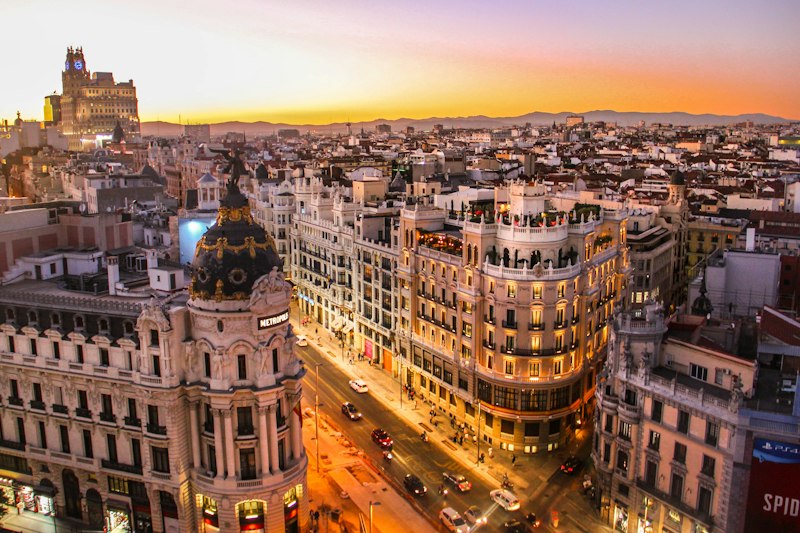
El Badi Palace
★ 4.5Medina · €
Once considered one of the most magnificent palaces in the world, El Badi now stands as atmospheric ruins. Climb the ramparts for sweeping views over the medina and the Atlas Mountains.
Medersa Ben Youssef
★ 4.7Medina · €
The largest Islamic college in North Africa, the Medersa Ben Youssef is a masterpiece of Moroccan-Andalusian architecture — its central courtyard is one of the most photographed spaces in the country.

Hammam de la Rose
★ 4.8Medina · €€€
The most refined traditional hammam experience in Marrakech — rose-scented steam rooms, black soap scrubs and argan oil massages performed by expert practitioners in a beautifully restored riad.
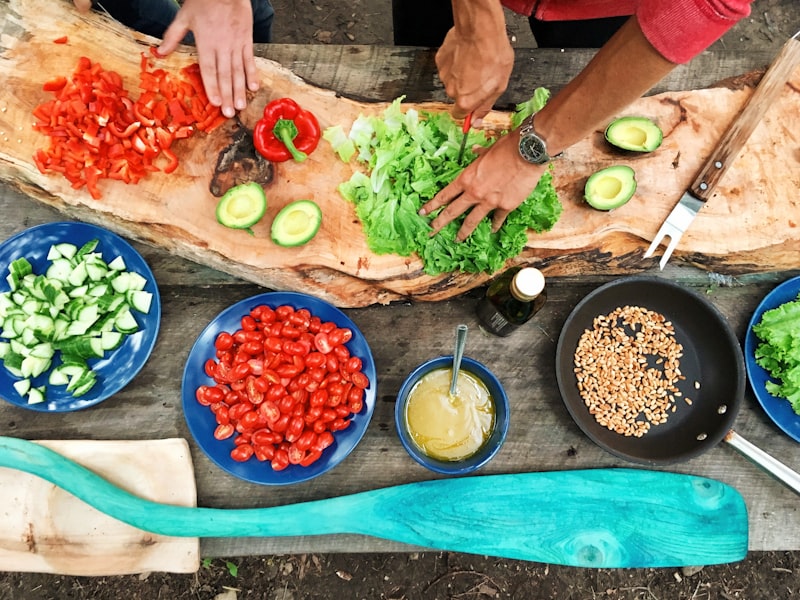
Cooking Class at La Maison Arabe
★ 4.9Medina · €€€
Learn to make tagine, couscous and bastilla in the cooking school of Marrakech's most celebrated boutique hotel. Classes are held in a traditional kitchen and end with a full lunch.
Souk Shopping Tour
★ 4.7Medina · €€
A guided walking tour through the labyrinthine souks with a local expert who explains the craft traditions, helps navigate the maze and assists with price negotiations.
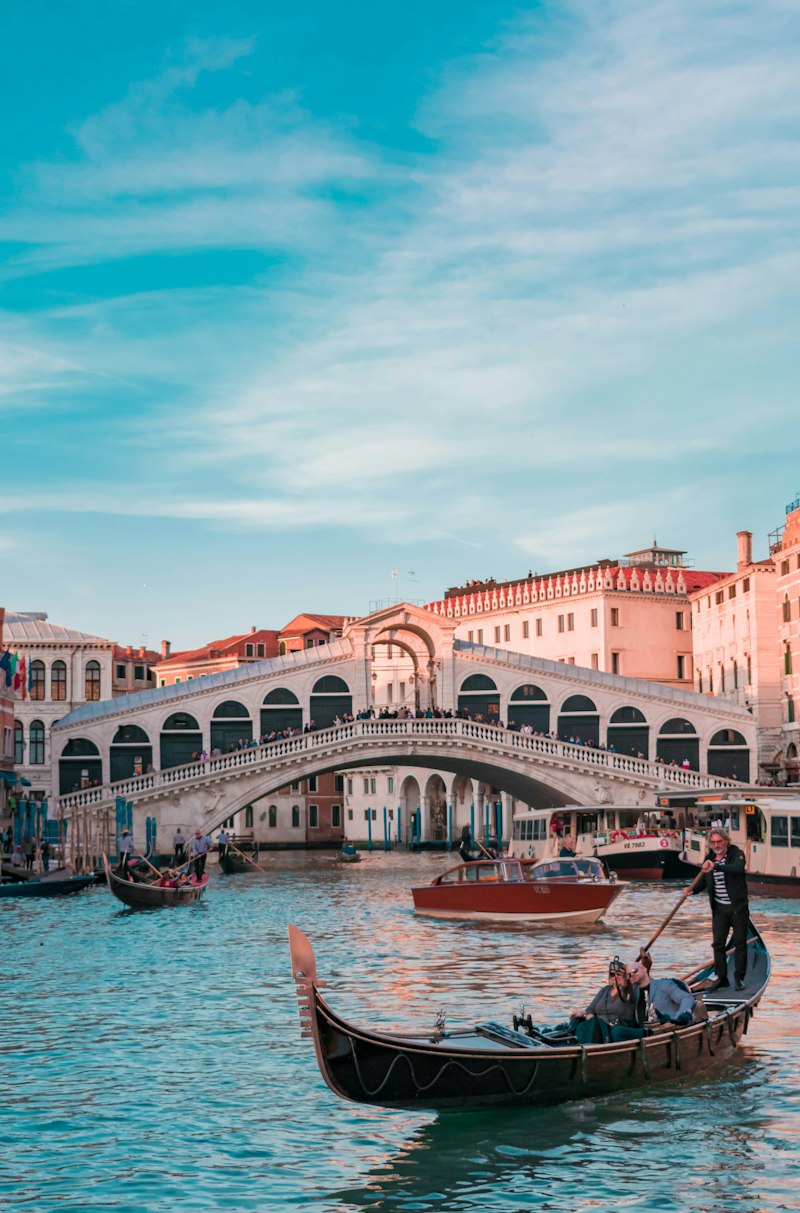
Hot Air Balloon over Marrakech
★ 4.9Medina · €€€€
Drift over the palm groves, kasbahs and Atlas Mountain foothills at sunrise in a hot air balloon. The most magical way to see Marrakech — ends with a Berber breakfast in a desert camp.
Quad Biking in Palmeraie
★ 4.6Palmeraie · €€€
Race through the palm groves and desert tracks on quad bikes. Operators offer routes through traditional Berber villages and include mint tea stops at desert camps.
Atlas Mountains Day Trip
★ 4.8Medina · €€€
A full-day excursion to the High Atlas Mountains visiting Berber villages, waterfalls and the Ourika Valley. Lunch in a local home included.
Marrakech Food Tour
★ 4.8Medina · €€
A guided evening food tour of Jemaa el-Fna and the medina streets, tasting harira, merguez, msemen, chebakia and freshly squeezed orange juice with an expert local guide.
Spa at Royal Mansour
★ 4.9Medina · €€€€
The most luxurious spa in Morocco inside the Royal Mansour palace. Treatments blend Moroccan hammam traditions with contemporary wellness techniques in a setting of pure opulence.

La Mamounia
★ 4.9Medina · €€€€
The most legendary hotel in Africa — a 1923 palace where Winston Churchill painted and where every room faces the Atlas Mountains or historic gardens. Afternoon tea here is a Marrakech institution.
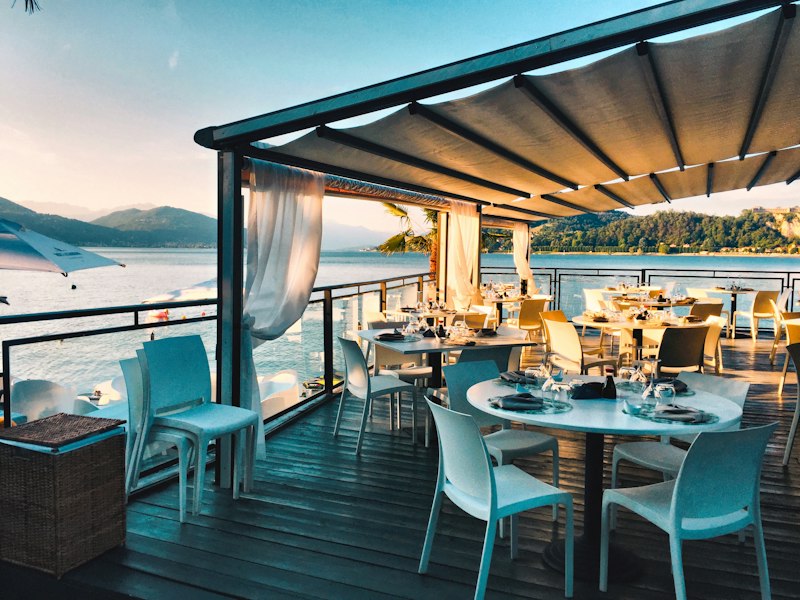
Royal Mansour
★ 4.9Medina · €€€€
Built by King Mohammed VI, the Royal Mansour is considered one of the finest hotels in the world — a private medina of 53 individual riads, each with its own private courtyard and plunge pool.
Hammam Mouassine
★ 4.7Medina · €€
A beautifully restored traditional hammam in the Mouassine neighborhood. Authentic black soap scrub and rhassoul clay treatments in a genuine 16th-century bathhouse.
Les Bains de Marrakech
★ 4.8Medina · €€€
The city's most refined traditional hammam experience — black soap exfoliation, ghassoul masks and argan oil massages in a splendidly decorated riad setting.
Hammam Dar el Bacha
★ 4.6Medina · €€
The most historic public hammam in Marrakech, dating to the 20th century and serving the Dar el Bacha palace. Recently restored and open to visitors alongside the Bacha Coffee museum complex.
Hammam Ziani
★ 4.5Medina · €€
A popular traditional hammam on the main tourist route through the medina. Well-organized, English-speaking staff and a reliable authentic scrub experience at fair prices.
Local Tips for Things to Do in Marrakech
- →Book the hot air balloon for sunrise — it's the single most spectacular activity in Marrakech and sells out weeks ahead in spring and autumn.
- →Monuments close earlier than you'd expect (5–6pm). Visit Bahia Palace and the Saadian Tombs before lunch. Buy the Marrakech Museum Pass (200 MAD) to cover most entries.
- →The best souk shopping is 9–11am before the heat and crowds. Haggle to 50–60% of the first price — it's expected.
- →Don't skip the hammam. Even if you're not a spa person, a traditional gommage (black soap scrub) is the most Moroccan experience you can have.
- →Carry small change (10–20 MAD notes). Orange juice stalls, public toilets and small tips for directions all require it.
FAQ — Things to Do in Marrakech
What are the best things to do in Marrakech?
The top experiences in Marrakech in 2026: a hot air balloon at sunrise over the Palmeraie, Bahia Palace and the Saadian Tombs before lunch, shopping in Souk Semmarine, a traditional hammam scrub at Hammam Dar el-Bacha, sunset cocktails at Kabana Rooftop overlooking the Koutoubia, and the Jemaa el-Fna night market after 8pm.
How many days do you need in Marrakech?
3–4 days is ideal. Day 1: Jemaa el-Fna and the medina souks. Day 2: Jardin Majorelle, Bahia Palace and the Saadian Tombs. Day 3: hammam, cooking class and rooftop sunset. Day 4: Atlas Mountains day trip or Agafay Desert excursion. With only 2 days, prioritize the square, Majorelle Garden and one day trip.
Is Marrakech safe for tourists?
Yes — Marrakech is very safe for tourists. The main annoyances are touts near Jemaa el-Fna and unofficial guides who steer you to carpet shops. Petty theft is rare but keep bags closed in crowded souks. Solo female travellers should dress modestly in the medina. Morocco sees 14+ million tourists annually with minimal serious incidents.
What should I not miss in Marrakech?
The Jemaa el-Fna night market after 8pm, a rooftop sunset overlooking the Koutoubia minaret, a traditional hammam scrub, shopping in Souk Semmarine, Jardin Majorelle, and a hot air balloon flight at sunrise. If you have a fourth day, the Atlas Mountains day trip is unforgettable.
What is the best time to visit Marrakech?
March to May and September to November. Spring brings 20–28°C, blooming gardens and manageable crowds. Autumn offers similar conditions. Summer (June–August) hits 38–42°C. Winter (December–February) is cool (10–18°C), occasionally rainy, but far less crowded.
How much does a day trip from Marrakech cost?
Atlas Mountains group day trips start from $26–93 per person including hotel pickup and lunch. Agafay Desert quad + camel + dinner packages cost $35–80. Private transfers to Essaouira or Ourika Valley run €60–120 for the car. Budget 150–1,500 MAD per person depending on the trip.